
 Send Inquiry
Cefixime Trihydrate
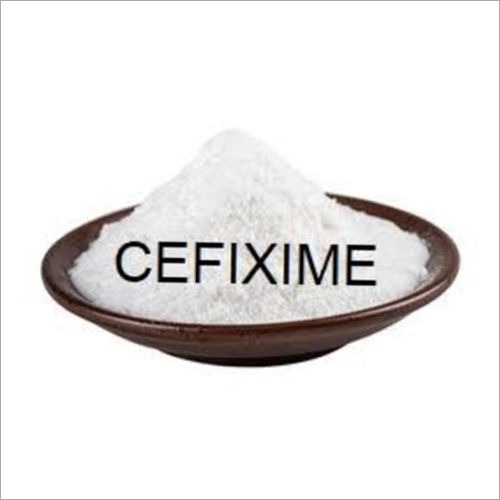

Cefixime Trihydrate Specification
- Grade
- Medicine Grade
- Storage
- Room Temperature
- Appearance
- Powder
- CAS No
- 125110-14-7
- Molecular Formula
- C16 H15 N5 O7 S2 . 3 H2 O
- Usage
- Pharmaceuticals
Cefixime Trihydrate Trade Information
- Minimum Order Quantity
- 50 Kilograms
- Payment Terms
- Cash in Advance (CID)
- Supply Ability
- 1000 Kilograms Per Week
- Delivery Time
- 7 Days
- Main Domestic Market
- All India
About Cefixime Trihydrate
Cefixime Trihydrate is a medicine grade powder used in pharmaceuticals. It has a molecular formula of C16 H15 N5 O7 S2 3 H2 O and a CAS number of 125110-14-7. It is used to treat a variety of bacterial infections, including bronchitis, pneumonia, and gonorrhea. Cefixime Trihydrate is available from a manufacturer, supplier, or trader and should be stored at room temperature. Cefixime Trihydrate is a semi-synthetic antibiotic that belongs to the cephalosporin group of antibiotics. It works by inhibiting the formation of the bacterial cell wall, preventing the bacteria from growing and multiplying. It is used to treat a wide range of bacterial infections, including bronchitis, pneumonia, gonorrhea, and urinary tract infections. It is also used to treat infections caused by certain parasites, such as Giardia lamblia. Cefixime Trihydrate is available in tablet, capsule, and oral suspension forms. It is usually taken once a day, with or without food. The dosage and length of treatment depend on the type of infection being treated. Common side effects include nausea, vomiting, diarrhea, and abdominal pain. It is important to take the medication exactly as prescribed and to finish the entire course of treatment, even if the symptoms improve.
FAQ :
Q: What is Cefixime Trihydrate?
A: Cefixime Trihydrate is a medicine grade powder used in pharmaceuticals. It has a molecular formula of C16 H15 N5 O7 S2 3 H2 O and a CAS number of 125110-14-7.
Q: What is Cefixime Trihydrate used for?
A: Cefixime Trihydrate is used to treat a variety of bacterial infections, including bronchitis, pneumonia, and gonorrhea.
Q: How should Cefixime Trihydrate be taken?
A: Cefixime Trihydrate is available in tablet, capsule, and oral suspension forms. It is usually taken once a day, with or without food. The dosage and length of treatment depend on the type of infection being treated.
Q: What are the possible side effects of Cefixime Trihydrate?
A: Common side effects include nausea, vomiting, diarrhea, and abdominal pain. It is important to take the medication exactly as prescribed and to finish the entire course of treatment, even if the symptoms improve.
A: Cefixime Trihydrate is a medicine grade powder used in pharmaceuticals. It has a molecular formula of C16 H15 N5 O7 S2 3 H2 O and a CAS number of 125110-14-7.
Q: What is Cefixime Trihydrate used for?
A: Cefixime Trihydrate is used to treat a variety of bacterial infections, including bronchitis, pneumonia, and gonorrhea.
Q: How should Cefixime Trihydrate be taken?
A: Cefixime Trihydrate is available in tablet, capsule, and oral suspension forms. It is usually taken once a day, with or without food. The dosage and length of treatment depend on the type of infection being treated.
Q: What are the possible side effects of Cefixime Trihydrate?
A: Common side effects include nausea, vomiting, diarrhea, and abdominal pain. It is important to take the medication exactly as prescribed and to finish the entire course of treatment, even if the symptoms improve.
- Minimum Order Quantity
- 50 Kilograms
- Supply Ability
- 1000 Kilograms Per Week
- Delivery Time
- 7 Days
- Main Domestic Market
- All India
 Get Latest Price
Tell us about your requirement

Price:
Quantity
Select Unit
- 50
- 100
- 200
- 250
- 500
- 1000+
Additional detail
Mobile number
Email

More Products in Active Pharmaceuticals Ingrediants Category
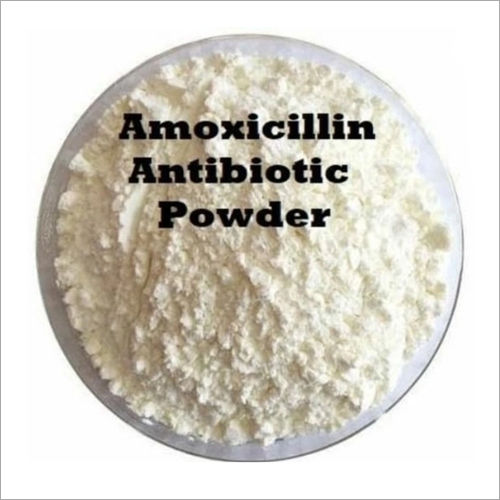
Amoxicillin Trihydrate
Minimum Order Quantity : 50 Pieces
Expiration Date : 36 Days
Grade : Medicine Grade
Appearance : Powder
Storage : Room Temprature
Molecular Formula : C16 H19 N3 O5 S . 3 H2 O
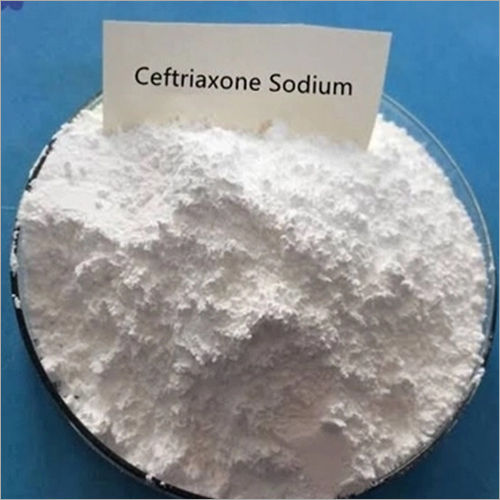
Ceftriaxone Sodium Sterile
Minimum Order Quantity : 50 Kilograms
Expiration Date : 36 Months
Grade : Medicine Grade
Appearance : Powder
Storage : Room Temprature
Molecular Formula : C18H16N8Na2O7S3
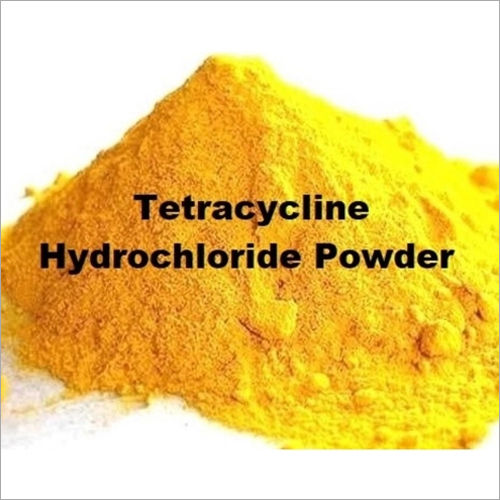
Tetracycline Hydrochloride Powder
Minimum Order Quantity : 50 Kilograms
Expiration Date : 36 Months
Grade : Medicine Grade
Appearance : Powder
Storage : Room Temprature
Molecular Formula : C22H24N2O8 HCl


LOGUS LABORATORIES PVT. LTD.
All Rights Reserved.(Terms of Use)
Developed and Managed by Infocom Network Private Limited.
Developed and Managed by Infocom Network Private Limited.

